
Related Articles



We live in an age marked by noise: constant opinions, endless stimuli, rapid decisions… and yet, a profound inner confusion. Never have we had so many options and, at the same time, so little clarity about what to choose. In this context, spiritual discernment is not a luxury reserved for monks or priests: it is an urgent necessity for any Christian who wants to live with meaning, freedom, and fidelity to God.
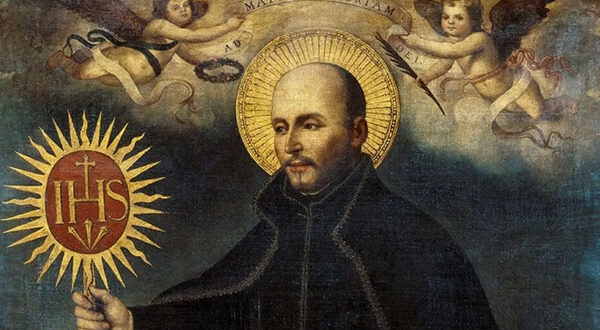
This article aims to be a clear, deep, and practical guide to understanding what spiritual discernment is, where it comes from, its theological foundation, and how to apply it today. We will rely especially on the rules from the Spiritual Exercises of Saint Ignatius of Loyola (nos. 316–336), one of the most refined and realistic contributions in the spiritual tradition of the Church.
1. What is spiritual discernment?
Spiritual discernment is the art—and the grace—of recognizing what comes from God and what does not, within our own inner life: thoughts, desires, emotions, and decisions.
It is not simply about choosing between good and evil (morality already addresses that), but about choosing between what is good and what is better, between paths that seem valid but lead to very different destinations.
Sacred Scripture constantly invites us to this exercise:
“Test everything; hold fast to what is good.” (1 Thessalonians 5:21)
Discernment, therefore, is a vigilant, humble, and deeply spiritual attitude.
2. Biblical roots and the tradition of the Church
From the Old Testament, we find figures who practiced discernment: the prophets, King Solomon—who asked God for “a listening heart”—and the psalmists who examined their inner life before God.
In the New Testament, this theme reaches its fullness. Saint Paul speaks clearly about the inner struggle:
“For I do not do the good I want, but the evil I do not want is what I keep on doing.” (Romans 7:19)
He also distinguishes between different “spirits” that influence the soul:
- The Spirit of God
- The spirit of the world
- The spirit of evil
The patristic tradition developed this teaching, but it was Saint Ignatius of Loyola who masterfully systematized practical rules for discernment, especially in numbers 316–336 of his Exercises.
3. Theological foundation: why is discernment necessary?
Discernment is not optional because the human being lives in a spiritual battlefield.
Three main actors in the soul:
- God, who draws us toward goodness, truth, and life.
- The devil, who deceives, confuses, and misleads.
- Human nature itself, wounded by original sin.
This means that not everything we feel or think is reliable. Here lies the core of the contemporary problem: we have absolutized emotions, when in reality they need to be discerned.
4. Saint Ignatius of Loyola: a pedagogy of the soul (nos. 316–336)
Ignatius’ rules focus on a key aspect: interior movements, which he calls:
- Spiritual consolation
- Spiritual desolation
4.1. What is spiritual consolation? (no. 316)
It is everything that:
- Inflames the soul with love for God
- Increases faith, hope, and charity
- Brings deep peace and meaning
It is not simply “feeling good.” It is a joy that draws us closer to God.
Modern example:
A decision that is difficult but gives you deep peace and inner clarity.
4.2. What is spiritual desolation? (no. 317)
It is the opposite:
- Inner darkness
- Restlessness
- Sadness without clear cause
- Distance from God
Modern example:
A life full of distractions, anxiety, and emptiness… even when everything seems to be “working” externally.
5. Key rules of discernment (316–336)
5.1. Fundamental rule: act according to the state of the soul
Saint Ignatius distinguishes between two types of people:
1. Those who go from sin to sin (no. 314)
The devil falsely reassures them.
God disturbs them to awaken them.
2. Those who sincerely seek God
The opposite happens:
- God consoles
- The devil disturbs
👉 Here is a decisive key:
Not every consolation comes from God, and not every disturbance is bad.
5.2. Golden rule: never change decisions in desolation (no. 318)
Saint Ignatius is firm:
In time of desolation, never make a change.
Why?
Because in desolation:
- We lose clarity
- We become more vulnerable
- The enemy acts more strongly
Practical application:
Do not make important decisions in moments of emotional crisis.
5.3. What to do in desolation (nos. 319–321)
Saint Ignatius proposes three attitudes:
- Pray more
- Examine yourself
- Practice moderate penance
He also teaches that desolation can come from:
- Spiritual lukewarmness
- A trial permitted by God
- Divine pedagogy for growth
5.4. How to act in consolation (no. 323)
In consolation:
- Be humble
- Prepare for future trials
- Use the moment to strengthen the soul
👉 Consolation is not the goal; it is a means to love God more.
5.5. The enemy acts strategically (nos. 325–326)
Saint Ignatius describes the devil with great realism:
- Like a seducer who works in secret
- Like a false lover who wants to remain hidden
- Like a general who studies our weaknesses
This is profoundly relevant today:
Temptations are no longer obvious. They are subtle:
- Relativism
- Self-justification
- A spirituality without commitment
6. Present-day relevance: discerning in a confused world
Today more than ever, we need discernment because we live in a culture that:
- Confuses freedom with whim
- Confuses well-being with truth
- Confuses emotion with criterion
Discernment restores something essential:
the ability to live with inner truth.
7. Practical applications for daily life
7.1. Before making decisions
Ask yourself:
- Does this bring me closer to God or farther away?
- Does it give me deep peace or just momentary satisfaction?
- Is it consistent with the Gospel?
7.2. In daily spiritual life
- Dedicate time to silence
- Practice a daily examen
- Seek spiritual direction if possible
7.3. In moments of crisis
- Do not decide in the heat of the moment
- Hold fast to what you already know to be true
- Persevere
8. Discernment and fulfillment of the Christian precept
Discernment is not only a tool; it is a necessary means to live out God’s will, and therefore to fulfill the fundamental commandment:
“You shall love the Lord your God with all your heart.” (Matthew 22:37)
Without discernment:
- We may do good things… for the wrong reasons
- We may drift without realizing it
- We may live a superficial faith
With discernment:
- We act with freedom
- We choose what most glorifies God
- We walk toward real holiness
9. A spiritual guide for today
Spiritual discernment is not complicated, but it does require:
- Inner honesty
- A life of prayer
- Spiritual formation
It is a progressive path, but profoundly liberating.
10. Conclusion: learning to listen to God in the midst of noise
The great tragedy of modern man is not that God does not speak, but that we do not know how to listen.
The rules of Saint Ignatius remain, centuries later, a reliable compass in the midst of confusion.
Because in the end, discerning is not just about choosing well…
it is about learning to live in harmony with God.
“My sheep hear my voice; I know them, and they follow me.” (John 10:27)