Related Articles

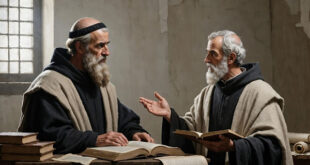
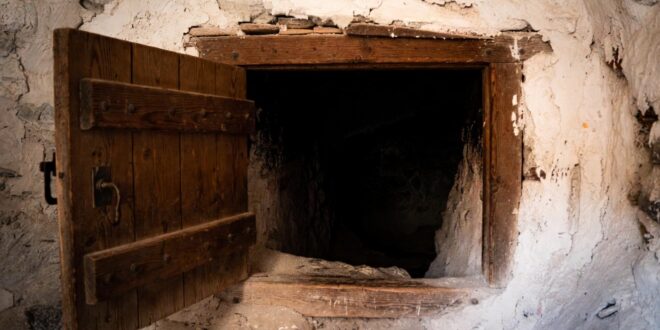
Imagine an old house, with its dark hallways, creaking stairs, and thick walls. Within those walls were tiny spaces designed for a very special purpose: to shelter priests celebrating Mass in secret. These spaces, known as priest holes, are tangible symbols of a history of faith, courage, and fidelity that can still deeply inspire us today.
1. Historical Context: The Persecution of English Catholics
After the English Reformation in the 16th century, practicing Catholicism became a crime. Henry VIII broke with Rome in 1534, and his successors continued to restrict the Catholic faith. Under Elizabeth I, the situation became even more severe: celebrating Mass or being a priest was considered treason, punishable by death.
It is estimated that between 1581 and 1600 hundreds of priests were executed simply for fulfilling their ministry. Lay Catholics, known as recusants, had to hide their faith while supporting clandestine priests. This created the need for safe spaces within homes: the priest holes.
2. Architecture and Design of Priest Holes
Priest holes were marvels of discreet engineering. Built by specialized craftsmen—like the famous Nicholas Owen, canonized for his holiness and heroism—these hiding places could be tiny and narrow, sometimes just enough for one person, and were designed to go completely undetected even during thorough inspections.
Main Features:
- Strategic location: under fireplaces, behind false panels, in cupboards, beneath floors, or inside hollow staircases.
- Secret access: some entrances were hidden behind bookshelves or in cavities difficult to detect.
- Escape engineering: some even had discreet vents and secondary exit routes in case a raid became imminent.
- Materials: wood, brick, and plaster blended to avoid suspicion.
Some of these hiding places were so ingenious that a priest could remain for hours in absolute silence while police or government agents inspected the house.
3. Theological Relevance: Faith that Defies Fear
Priest holes didn’t just protect bodies; they safeguarded souls and sacraments. The Eucharist, confessions, and prayers were kept alive even under the risk of death. History reminds us that faithfulness to God can require extreme courage:
“Blessed are those who are persecuted for righteousness’ sake, for theirs is the kingdom of heaven” (Matthew 5:10).
These hiding places became symbols of fidelity to Christ, showing that true practice of faith can transcend fear, adversity, and the hostility of the world.
4. Practical Lessons from Priest Holes Today
Although we no longer need physical priest holes, their story offers spiritual and practical lessons:
- Protecting personal faith: Today, our “priest hole” can be a space for prayer, meditation, or spiritual reading at home, where nothing and no one interferes with our relationship with God.
- Discretion and fidelity: Sometimes faith is best lived through discreet acts rather than public proclamations. Maintaining Christian values in daily life is an act of silent courage.
- Spiritual creativity: Just as the hiding places were ingenious, we can find creative ways to practice and teach faith: online prayer groups, simple family rituals, or discreet acts of charity.
- Valuing the sacraments: Priest holes protected priests, and by extension, the Mass and Confession. Today, we must prioritize sacraments and safeguard our spiritual life from distractions and secularization.
5. Spiritual Guide Inspired by Priest Holes
We can turn the history of these hiding places into a practical pastoral guide:
- Find your daily spiritual refuge: A fixed time for prayer and adoration at home can be your modern priest hole.
- Constant fidelity: Serve God and others even when your faith faces social or familial challenges.
- Small acts matter: Don’t underestimate daily acts of devotion; like priest holes, they may seem small but have great spiritual value.
- Protect the sacred: Dedicate time and attention to the sacraments, as if they were the most precious treasures guarding your soul.
- Learn from the past: The history of persecuted English Catholics teaches that authentic faith requires commitment and courage.
6. Priest Holes and the Value of Silence
A fascinating aspect of these hiding places is their connection with silence and waiting. Priests had to remain still, silent, and trusting in God for hours, sometimes days. This experience becomes a spiritual metaphor: patience, contemplation, and silent prayer are essential to Christian life. It reminds us that faith is not always visible or recognized by the world, but before God, every act of fidelity is significant.
7. Conclusion: A Memory That Inspires
Priest holes show us that faith can endure even in the darkest moments. They are more than mere hiding places; they are testimonies that God’s grace can protect and sustain those who trust in Him. In a world that sometimes disregards Christian values, their story teaches us:
- To be brave in practicing our faith.
- To value every sacrament and prayer.
- To find spiritual refuges in everyday life.
- To live faithfully, even in silence.
“Do not fear those who kill the body but cannot kill the soul; rather fear Him who can destroy both soul and body in hell” (Matthew 10:28).
Today, every prayer, act of devotion, and moment of fidelity is our modern priest hole: a sacred space of encounter with God that protects, strengthens, and prepares us for eternity.